
2026
Residency Dates
5 October - 2 November 2026
Residency Location
Tal -Qortin, Marsalforn, Gozo
Studio Location
BWDUA Studio, Rabat, Gozo
(Close to Teatru Astra)
Residency Launch
10 October 2026 | 6:00 - 9:00pm
RSVP here
Residency Closing
1 November 2026 | Final Showcase
10:00am - 12:00pm
5pm - 7:00pm
Beyond What Drifts Us Apart
a MagiC Carpets project
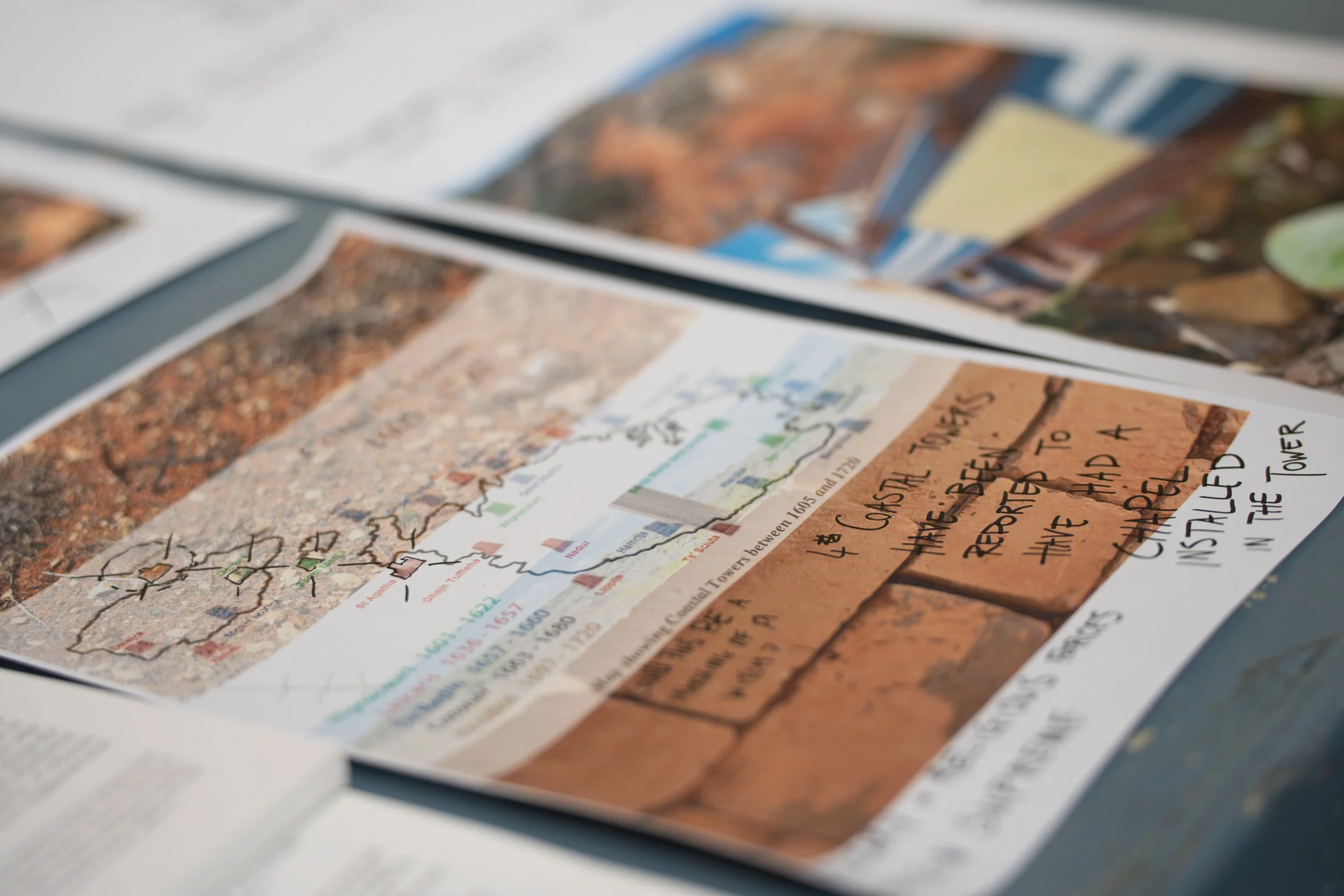
Beyond What Drifts Us Apart (BWDUA) is a multi-year interdisciplinary research and residency-based project developed by Elyse Tonna that explores the less dominant narratives embedded within the environments surrounding Malta’s historic (300-year-old+) coastal towers. As the colonial legacies that built them fade, these structures now stand within fragile and shifting ecologies, where human interventions and non-human communities continue to shape each other.
Guided by ecological thinking and a decolonial mindset, BWDUA reconsiders inherited legacies of these landscapes, focusing on the interplay between the visible and invisible, the natural and de-/constructed. It addresses concepts related to extractive capitalism, contested land use, identity and environmental degradation, asking how past infrastructures underpin today’s ecological instability. Post-anthropocentric perspectives frame the project’s approach, prioritising climate justice, bio-cultural diversity and the dismantling of human-centred perspectives in favour of coexistence.
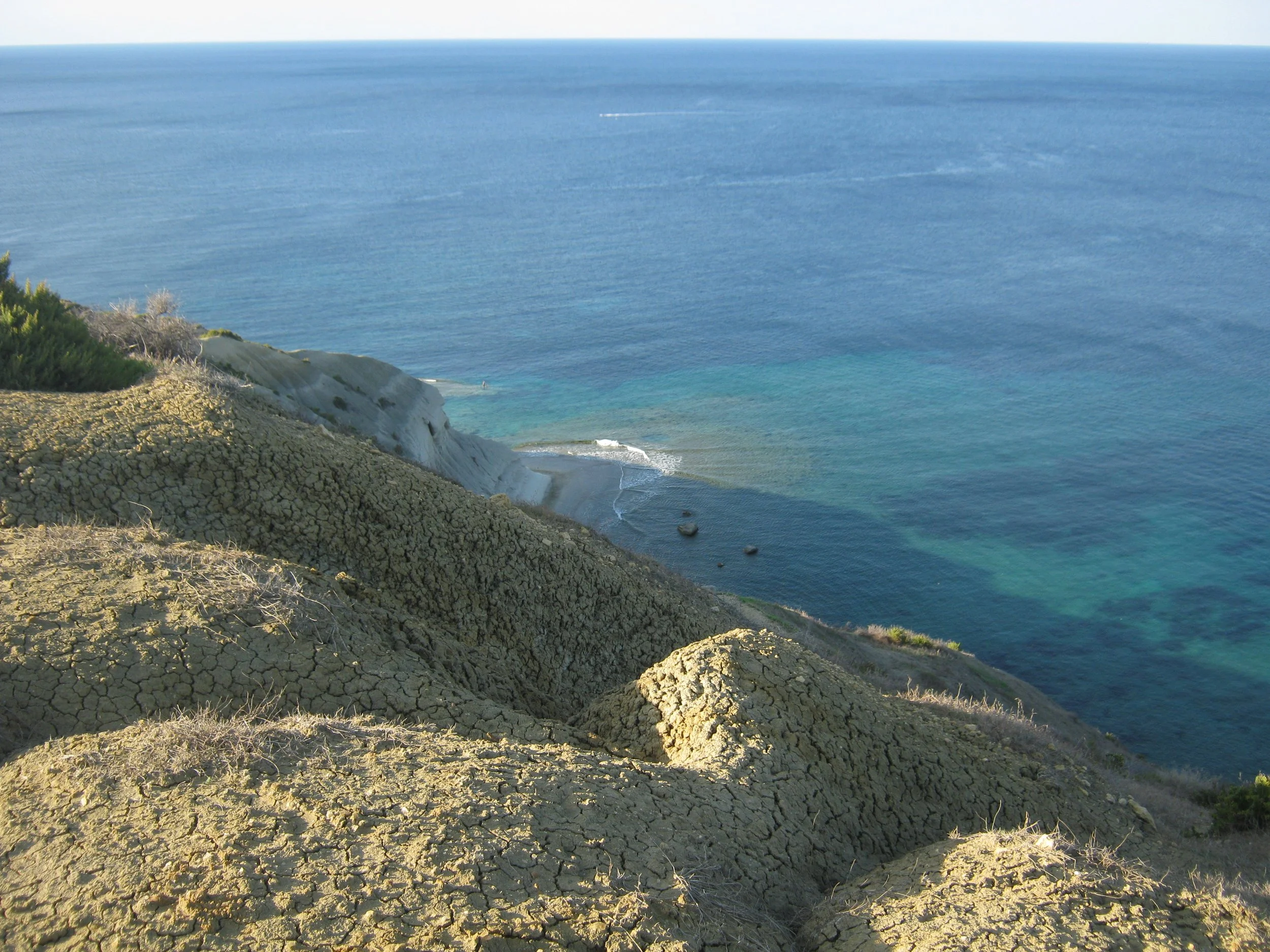
This year’s chosen site invites an intense examination of Tal-Qortin, Marsalforn on the island of Gozo – a littoral site that is also multi-faceted, encompassing agricultural plots used for grazing, private fields, a nearby scrapyard and a recreational zone on a rehabilitated landfill site.
At Tal-Qortin, the absence of a standing tower structure becomes the curator and artists’ point of departure; the collapsed towers and their uncertain footprints foreground questions of territorial marking, land reprogramming and the afterlives of defence, communication and waste. Post-anthropocentric perspectives frame the project’s approach, prioritising climate justice, bio-cultural diversity and the dismantling of human-centred perspectives in favour of coexistence.
In 2026, the project residency invites artists Julian Micallef (MT), Martina Georgina (MT), Bettina Hutschek (DE), Sébastien Schnyder (CH) to investigate how the site’s transformations affect both material conditions and collective memory and how non-human systems respond to engineered ground and reconfigured terrain.
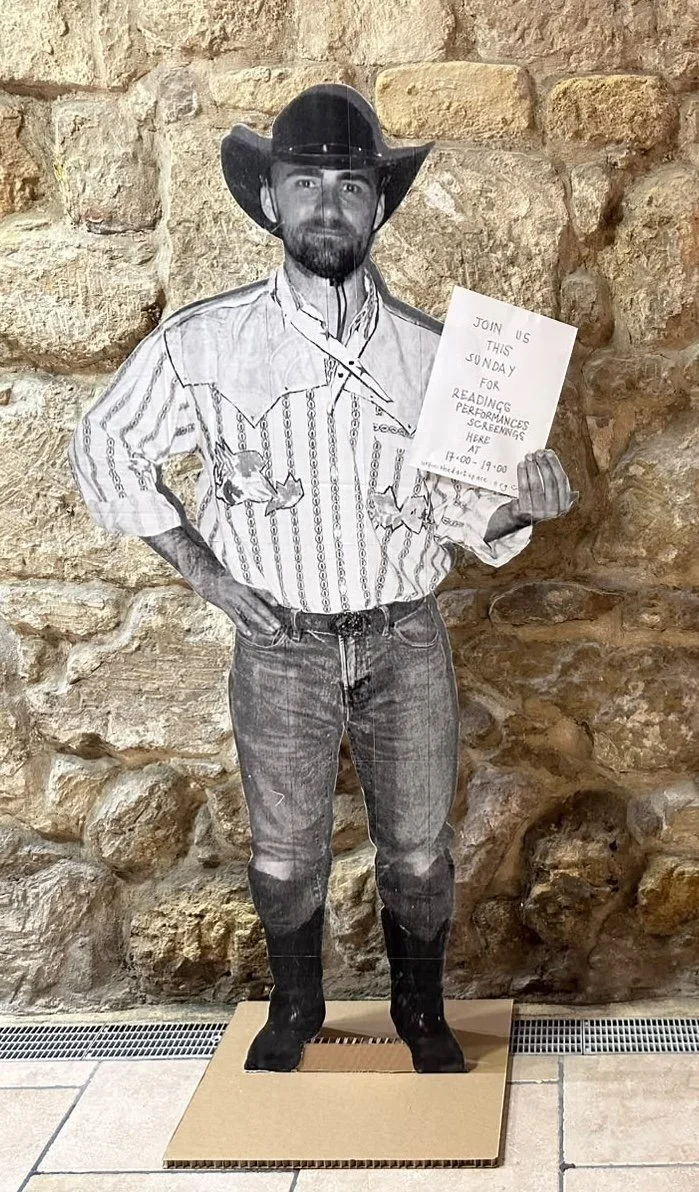
Residency Closing | Sunday, 1 November
Final Showcase
10:00am - 12:00 noon
4:30pm - 7:00pm
BWDUA Studio, 14 Triq ir-Repubblika (Ta’ l-Orjenti), Rabat, Gozo
From 5pm
Reading from Elizabeth's Travelogue (1899) | Bettina Hutschek
Docu-Film Screening | Sébastien Schnyder
Song Release | Martina Georgina
Analogue Projection | Julian Micallef
After a month exploring Tal-Qortin, artists Bettina Hutschek, Julian Micallef, Martina Georgina and Sébastien Schnyder will share their work through screenings, installations and live performances.
Residency Artists
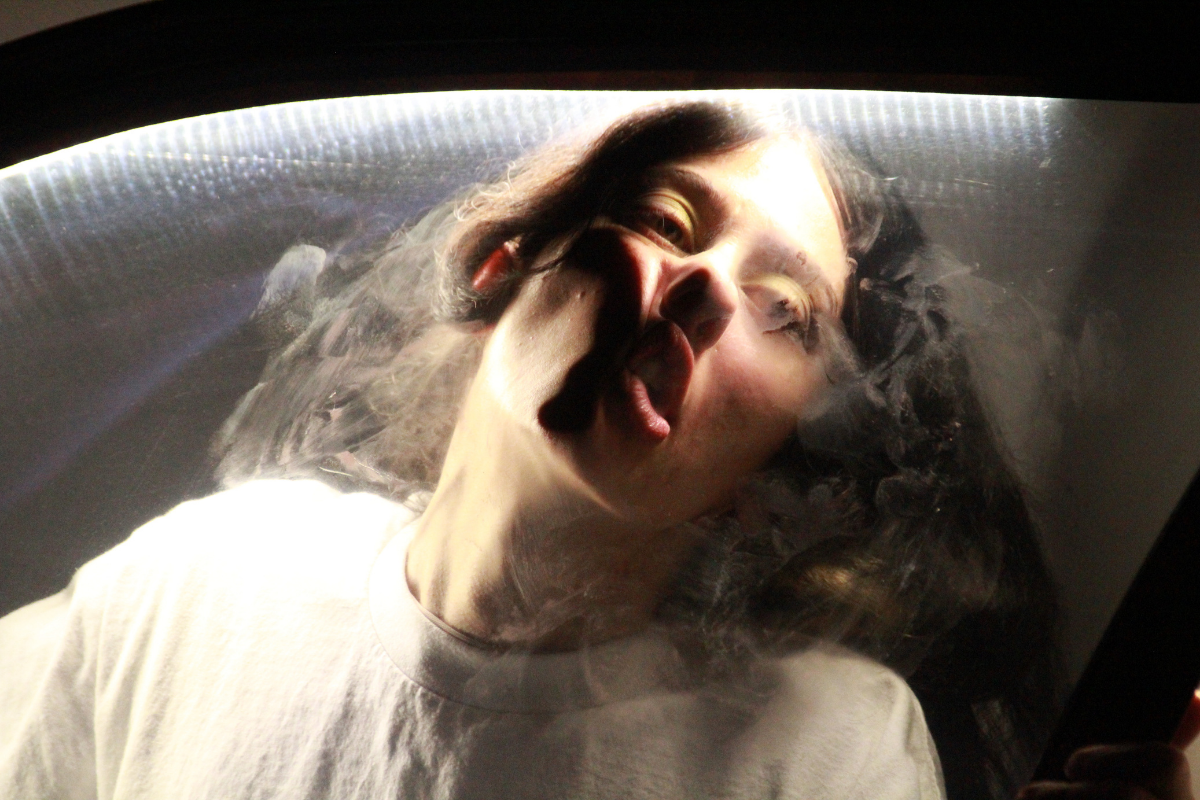
Maltese artist Martina Georgina is interested in identity as a social phenomenon and the obsessive behaviours of self-expression. Working across performance, movement, text, voice, sculpture and video, she places her female experience at the centre of her practice, interweaving real-time selfhood with fiction.
During a six-month residency at the Malta Society of Arts 2025, MG developed her latest research project Horsepower, following an unexplained desire to get close to Malta’s local horse world through observing community races and volunteering at RMJ Horse Rescue. The research became an embodied inquiry into care, proximity and non-human connection.
Her graduation solo work Girl’s Phallacy was first presented at ARS Kunsti in(l)ak, Tallinn (2022), as part of her MA in Contemporary Performance Making at the Estonian Academy of Music and Theatre (2019–2021), and later presented in Malta at Rosa Kwir (2025). The work reflects on how male-dominated car culture displays the female body, drawing on the voyeuristic imagery the artist encountered growing up around the local Maltese car scene introduced to her by her father.
MG has collaborated and performed across the Baltics, including Labi Kukkumine, produced by STL in Tallinn (2021) and presented in Vilnius (2023), and Malleus Maleficarum in Riga (2023). Since returning to Malta, she presented Ostra (2024), created with collaborator Romeo Roxman Gatt for Malta’s first contemporary art Biennale. Following their earlier collaboration Gender Boss (2023), the two formed the artistic duo metadramatik in 2025, with a focus on composing a confusion of fiction and nonfiction stories through sound, music and performance.
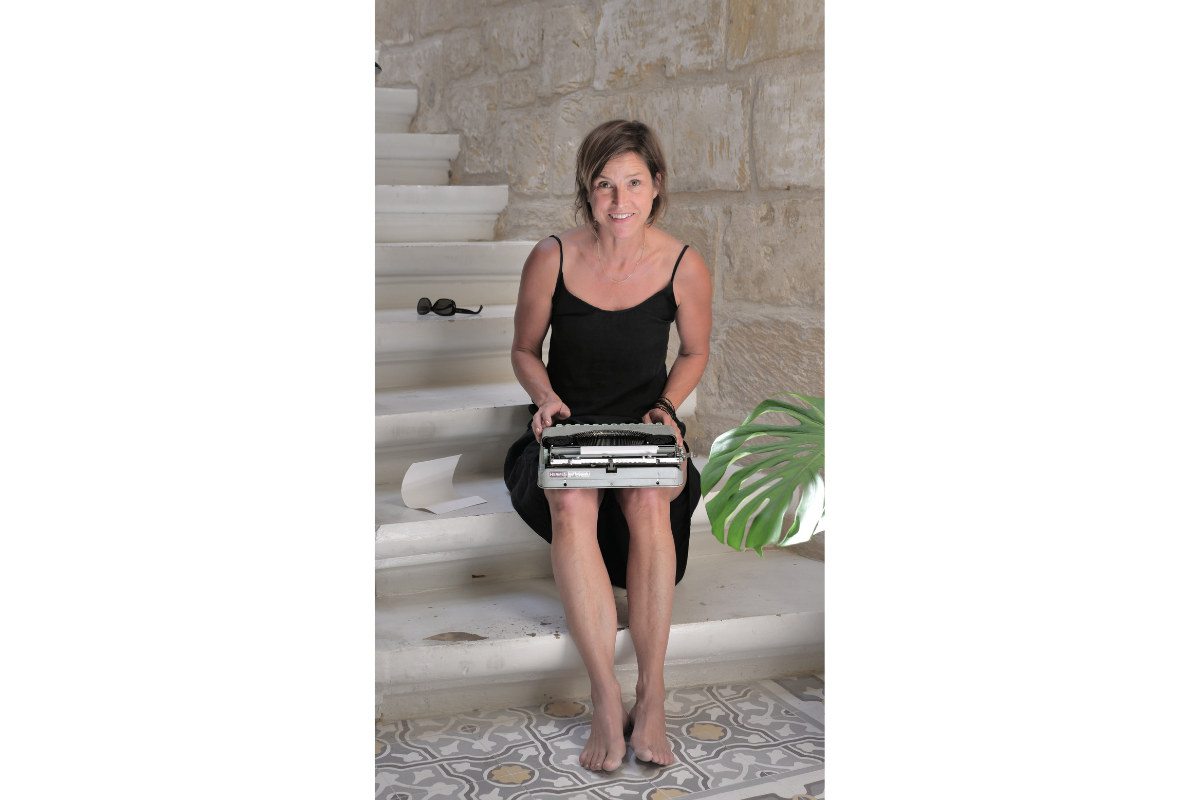
Bettina Hutschek is a visual artist and filmmaker based in Berlin and Malta. Her artistic practice engages with processes of historiography as well as the analysis and transformation of narrative structures. Working across installations, essay films, text-based works, and performances, she combines documentary elements with fictional and speculative approaches to develop concepts of “expanded history” that critically examine narrative frameworks and claims to truth.
She studied Art history, Philosophy and Fine Arts (UdK Berlin) and completed her MFA at HGB Leipzig in 2008. She has worked as cultural mediator and tour guide in Germany, Italy and France and was Visiting Scholar at the Department of Performance Studies, NYU Tisch School of the Arts, NYC (2010). In 2024, she completed a Master’s degree in Conference Interpreting at Leipzig University with her postcolonial thesis “Interpreting in the Context of Restitution”, further deepening her transdisciplinary practice at the intersection of language, translation, and art.
Her work has been exhibited and performed internationally since 2004, including at Fondation Cartier (Paris), Palais de Tokyo (Paris), nGbK and nbk Berlin, Centre d’Art Passerelle (Brest), Musée Malraux (Le Havre), Albertinum Dresden, Museum of Fine Arts Leipzig, ICCA Bucharest, Deutsches Haus NYC, Cappadox Festival, and maltabiennale. Her works are held in public and private collections.
She is founder and artistic director of FRAGMENTA Malta, a non-profit platform for experimental art in public space. In 2017, she co-curated the Maltese Pavilion at the Biennale di Venezia together with Raphael Vella. She is presently working on a publication of her Typewritings and the essay-film “Encountering Atlantis”.
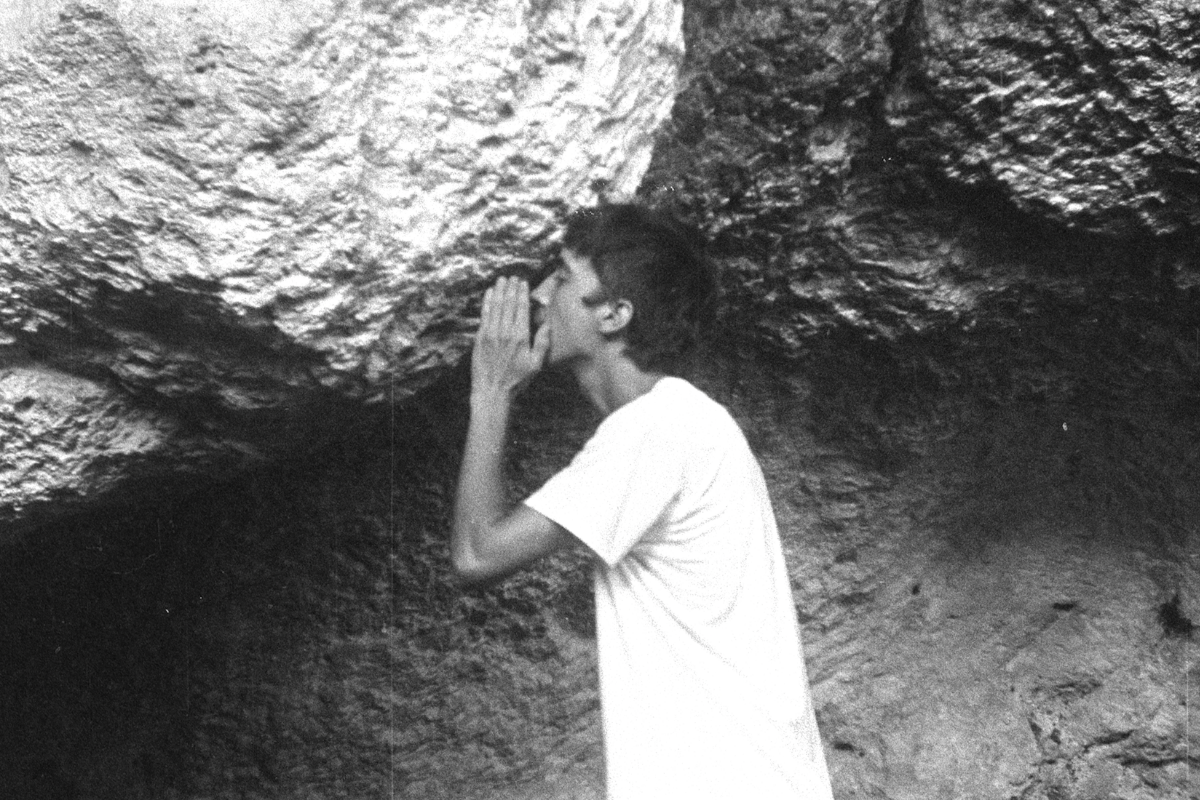
Julian Micallef is a multimedia artist and filmmaker, diverging work between Malta and the UK. Adopting a theoretical and philosophical understanding in research, conducting exploration within his own lived time. Together with that of the current and previous landscape, with the other beings that inhabit. Experimenting in analogue film processes, projection-performance and site-specific installation. Encountering material elements of time, within a surreal awareness of passage. Welding a narrative of situational encounter.
Julian Micallef has exhibited work globally in London UK, Washington USA, Mumbai India and Thorp Canada. Screening film and moving image at international film festivals ‘KINEMASTIC' and ‘WUFF’. Installed film work at site specific installations at Electro Studios Project Space, The Ladder Redruth and Malta Society of Arts. As of graduating from Falmouth University with a First Class Honours in BA Fine Art, summer 2025, Micallef was awarded The Wilhelmina Barns-Graham Italy Award. Which took form as a research and work residency trip in Rome, Florence and Venice, October 2025.
Recently launching and curating the experimental analogue film festival screening ‘GHEUFF' at Valletta Contemporary Gallery, Malta. Whilst also partaking in the Baltic Analogue Lab Film School 06 program. Hosting workshops in Barcelona, Spain and Riga, Latvia. Finalised at a film screening and live projection performance event titled ‘Equinox’ at Veldze Creative Factory Riga, in June 2026.
Currently exhibiting as a collaborating artist in 'Chapters From the Technospehre: Reimagining Ways of Living’ with artist Sheldon Saliba and curator Elyse Tonna at Spazju Kreattiv. With an upcoming screening during Middlesbrough Art Week ’30 seconds over Middlesbrough’ Curated by Anne Colvin.
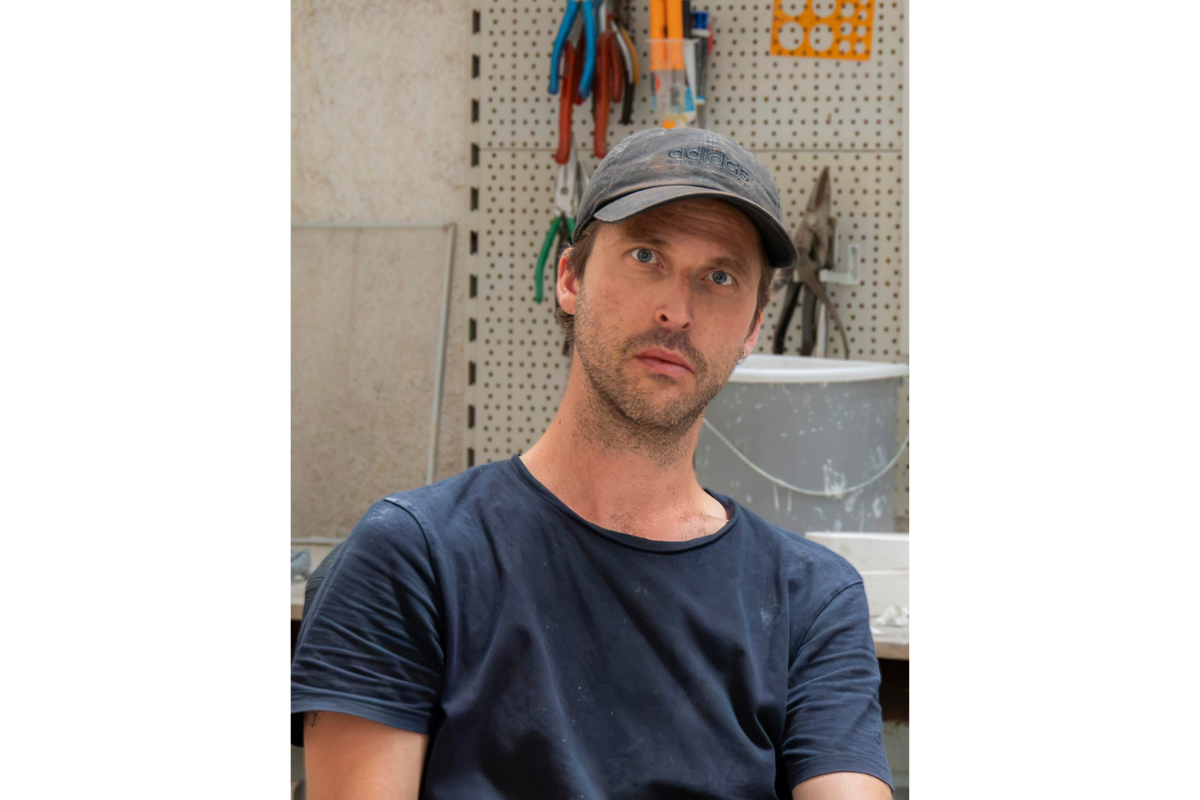
Sébastien Schnyder (b. 1990, Geneva) is an artist-researcher living and working between Lyon, Bassecourt, and Geneva. His practice spans sculpture, video, and installation. He studied photography at the CEPV and ceramics at the School of Applied Arts in Geneva, before graduating with a Master’s degree from Villa Arson (Nice) in 2023. He is currently a researcher within the ACTH unit at ENSBA Lyon. His practice examines the material and symbolic frameworks structuring contemporary environments. Informed by field research and the social sciences, he reconfigures objects and architectures to reveal systems of control.
Residency Projects
Martina Georgina
Witchtower FM
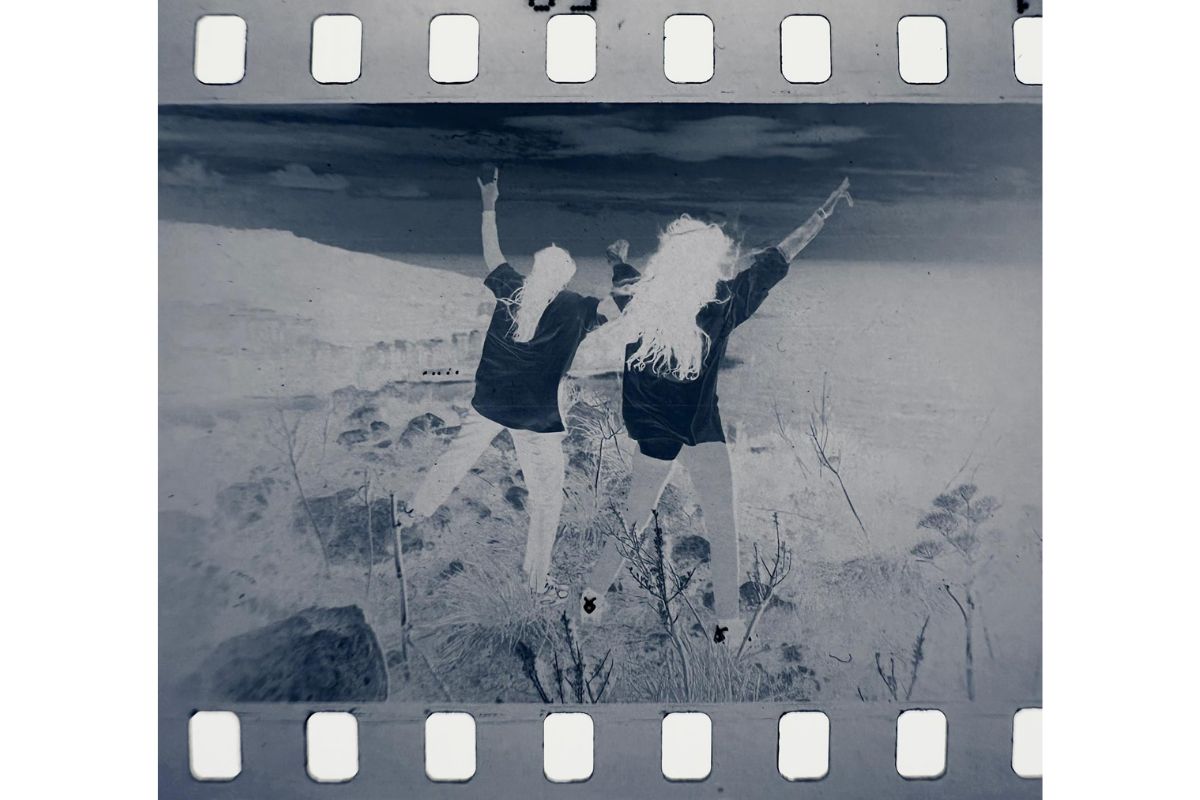
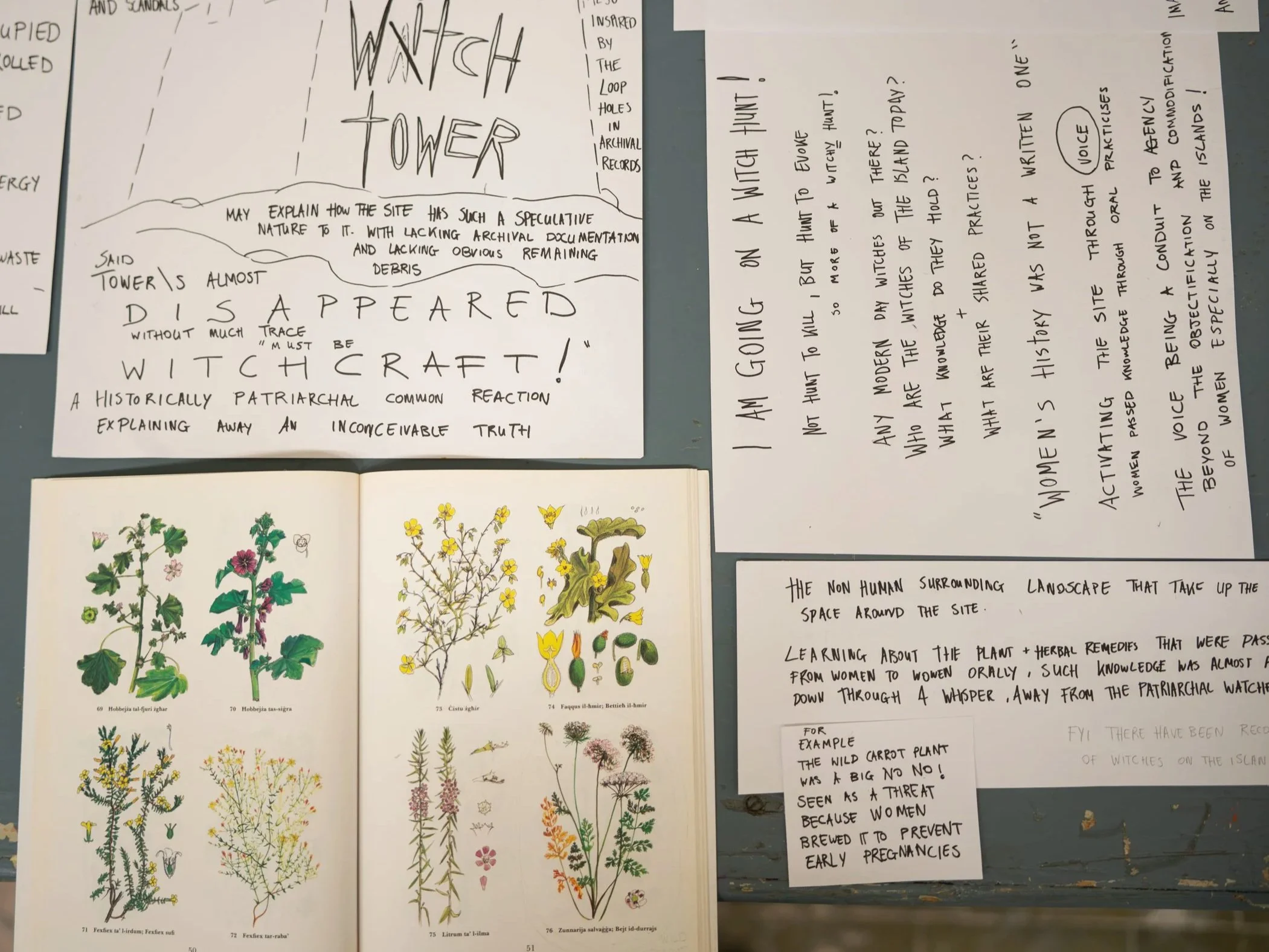
Through the research project Witchtower FM, Martina Georgina reimagines the absent Marsalforn coastal watchtower as a space for embodied vocal practices and acts of disobedience. Drawing on the site’s associations with surveillance, authority and wireless communication, the project explores how the watchtower’s warning signals might be reclaimed as transmissions of connection.
Although the tower no longer stands, the surrounding landscape remains occupied, claimed and controlled. Turning to the witch as a figure of resistance, the research considers how women’s knowledge, often excluded from official histories, has been passed down through oral traditions and shared practices. Through vocal experimentation and song-making, developed in collaboration with multidisciplinary artist, activist and punk band lead singer REA, Witchtower FM explores alternative ways of transmitting knowledge, reclaiming space and creating connection.
Bettina Hutschek
Elizabeth and Operation Calypso
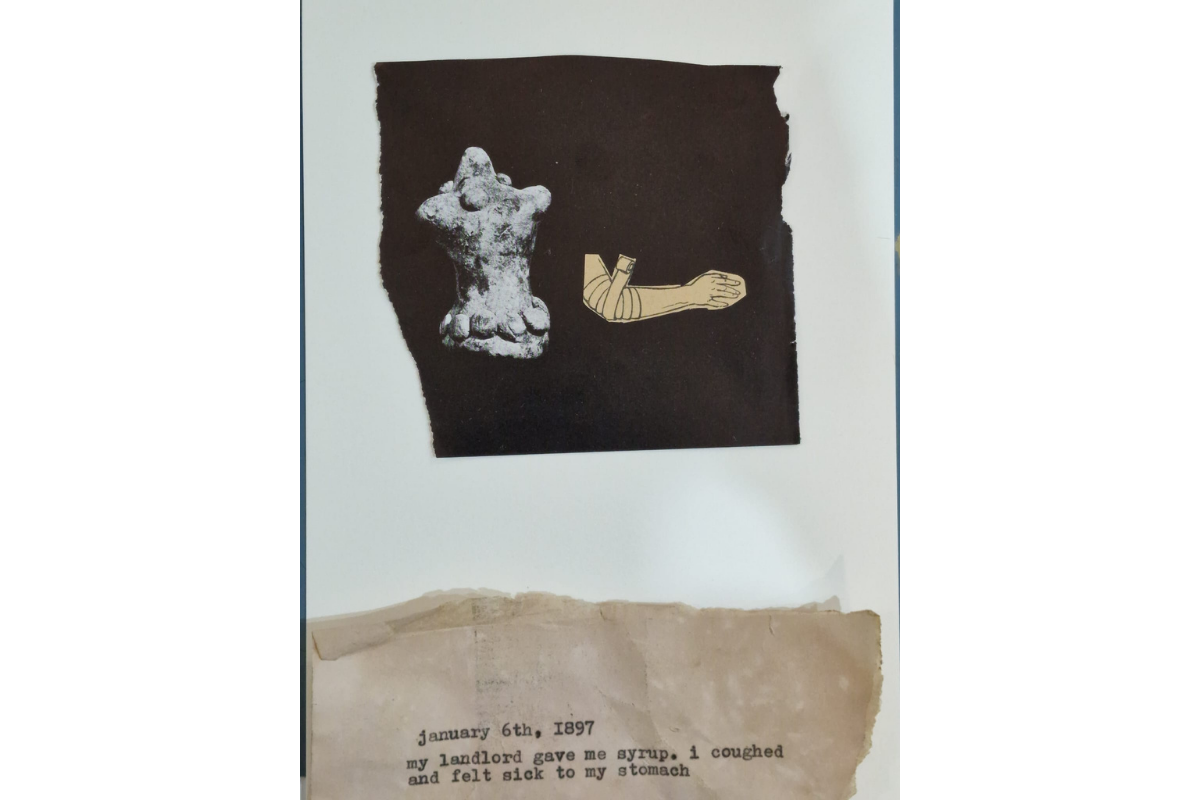
Elizabeth and Operation Calypso is a fictional travelogue set on Gozo’s Tal-Qortin plateau. When the Qortin landfill closed in 2004, archaeologists discovered a tin container holding carbon copies of notes by Elizabeth Thumblewaite. The English researcher arrived in 1897, commissioned to write an ethno-medical report on “Calypso healers” and hoping the Mediterranean air would heal her collapsed lung. She intended to stay for six months but remained for two years. Through encounters with a priest, locals, healers and an interpreter, alongside a tower inscription and unexplained lights, her research shifts from classifying illness to questioning what healing and anthropological research in general might mean. The work unfolds as a performative presentation.
Julian Micallef
Electric
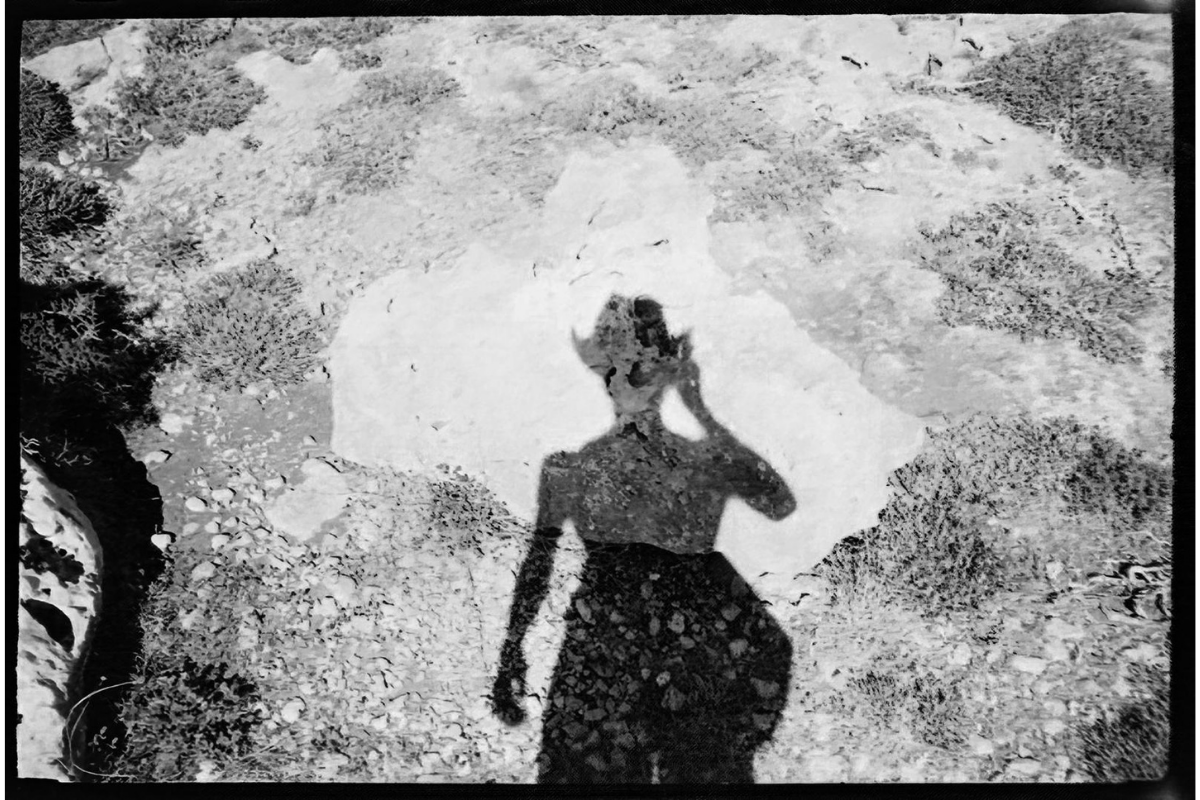
In Electric, Julian Micallef envisions the transformation of the Tal-Qortin plateau into the set of a Western epic. Taking its cue from news articles and archival material describing “cowboys everywhere you look” in the surrounding Marsalforn area, the project examines the spectacle of land and territory, environmental destabilisation and the ways a landscape’s identity is constructed and concealed.
Activated through collaborations with local Gozitan actors, camera tests and fabricated Western screenplays, Electric takes the form of a marketing campaign. Retrospective press kits and illuminated cardboard cutouts draw on the flashy aesthetic of the Western, promoting a film that will never exist.
The cowboy becomes an elusive symbol of glamour, concealing a figure of suppressed persistence and rural artificiality. Through this figure, Electric probes the tension between the landscape’s manufactured surface and its underlying political and social realities.
Sébastien Schnyder
What the Ground Keeps
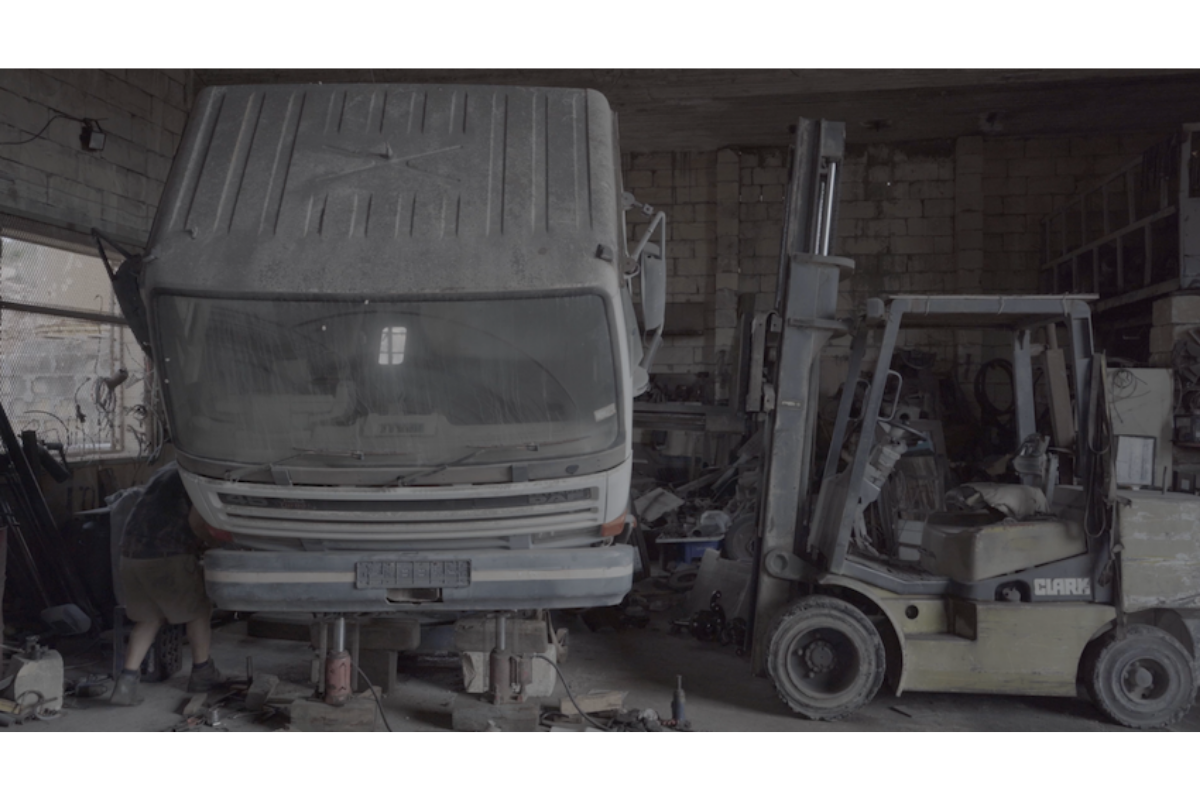
On a plateau marked by past and present activities, forms seem suspended between what has been, what is and what might become. Moving between the repeated gestures of a mechanic repairing old trucks and the gathering of discarded fragments, the film explores what persists, transforms or awaits a new use. Tools take shape from these materials as tangible experiments and ambiguous objects, oscillating between reality and fiction, with the potential to become props in a narrative yet to be defined. Gestures, materials and voices come together to form an archaeology of the present, where objects carry the memory of past uses, bear witness to ongoing transformations and open onto possible futures.
Curatorial Note
Tal-Qortin was chosen for the absence of its towers. After three editions of Beyond What Drifts Us Apart working within and around standing structures, their disappearance opened another way into the project’s enduring concerns: how land is claimed, how authority becomes embedded in a landscape and what continues beyond the purposes imposed upon it.
Above Marsalforn, successive occupations have made the plateau difficult to read. Records, recollections and encounters with the ground offered fragments that rarely settled into a continuous account. Historical research entered a curatorial process usually led by walking, observing and listening. The search became part of the work, bringing attention to the expectations through which a place becomes legible and the forms of knowledge those expectations leave unattended.
A tower built to command a view had depended on a cliff that could no longer hold it. This dependency unsettles the apparent solidity of an architecture of control. Height, sightlines, stone and watchkeeping formed a technology through which territory could be observed and defended. A second tower, then a wireless telegraph station, renewed the plateau’s role within systems of signalling and transmission. Their different endings expose a shared limit: establishing a position cannot secure its permanence. The promise of protection carries a claim to authority, while the ground remains subject to relationships beyond its command.
Extraction, disposal and repair extend this question into the present. Stone becomes structure; waste remains beneath a planted surface; discarded components keep another vehicle moving. Each new use inherits something unresolved. Reclamation names these movements unevenly, joining the recovery of materials to the renewed occupation of land, the spread of vegetation to the management of buried waste. What appears restored may still require care. What appears exhausted may hold another possibility.
Could the landscape’s movement be imagined as a refusal? Held as a question, this thought makes the limits of human intention perceptible without granting the land a human will or assuming that it will heal. It also creates room for speculation where evidence remains partial. The practices brought together approach this uncertainty through voice, fiction, moving image and material experimentation. They question who can claim knowledge, how it travels between bodies and generations and what objects retain when their functions fall away.
BWDUA’s manifesto proposes beginning with what is present, “not to extract, but to attend”. At Tal-Qortin, presence includes what is buried, withheld or no longer recognisable. Ecological thinking becomes a curatorial method of following these dependencies and allowing them to alter the inquiry itself. The task is to remain close enough for other relationships to become perceptible, without requiring the landscape to resolve into a single account. Beneath each claim to know it, the ground continues.
Residency Events
Closing Week
Open Studio - Tuesday, 20 October, 16:00-19:00
Residency Closing | Sunday, 1 November
Final Showcase
10:00am - 12:00 noon
4:30pm - 7:00pm
Week 3
Open Studio - Tuesday, 20 October, 16:00-19:00
Saturday, 24 October, 16:00-19:00
Sunday, 25 October, 10:00-13:00
What the ground keeps - Gleaning on-site led by Sébastien Schnyder | Sunday, 25th October | 10:00 - 11:00am | Tal-Qortin, Triq Marsalforn, Marsalforn, Gozo | Register Here
Witch Tower Activate: Vocal practice session with Martina Georgina & Rachelle REA Bezzina | Sunday 25th October | 11:00am -12:30am | Tal-Qortin, Triq Marsalforn, Marsalforn, Gozo | Register Here
From Fragments to Imaginary Tools led by Sébastien Schnyder | Sunday, 25th October | 12:00 - 13:30 | BWDUA Studio, Rabat, Gozo | Register Here
Week 2
Open Studio - Tuesday | 13 October | 16:00-19:00 | BWDUA Studio, Rabat, Gozo
Saturday, 17 October, 16:00-19:00
Sunday, 18 October, 10:00-13:00
Witchy Writing Workshop with Martina Georgina | Sunday 18th October 2026 | 10:00 - 11:30 | BWDUA Studio, Rabat, Gozo | Register Here
'Cowboys everywhere you look' | Screenplay and Sequence Mapping with Julian Micallef | Sunday 18th October 2026 | 11:30 - 13:00 | BWDUA Studio, Rabat, Gozo | Register Here
Week 1
Residency Launch - Saturday | 10 October 2026 | 6:00 - 9:00 | BWDUA Studio, Rabat, Gozo | RSVP here
Open Studio - Sunday | 11 October | 10:00-13:00 | BWDUA Studio, Rabat, Gozo
Residency Documentation
Beyond What Drifts Us Apart is part of the MagiC Carpets Platform, co-funded by the European Union’s Creative Europe program. The MagiC Carpets Platform brings together 21 European cultural organisations, coordinated by Kaunas Biennial in Lithuania, offering opportunities for emerging artists to explore little-known areas and to create - together with local communities - new works that bring to light regional particularities and traditions.
Credits
Producer: Unfinished Art Space
Curator: Elyse Tonna
Lead Partner: Kaunas Biennale
Artists: Sébastien Schnyder, Julian Micallef, Martina Georgina, Bettina Hutschek
Project Coordinator: Margerita Pulè
Project Manager: Emilia Figiel
Communications Manager: Maria Eileen Fsadni
Project Assistant: Max Darmanin
Visual Identity and Graphic Design: 2point3
Graphic Design Intern: Cezary Zakrzewski
Photography: Allezea Galea, Elisa von Brockdorff
Videography: Cedric Vella
Co-financed by: European Union’s Creative Europe programme, and the NGO Co-Financing Fund managed by the Malta Council for the Voluntary Sector supported by the Ministry for Inclusion and Voluntary Sector.
Collaborators in Malta & Gozo: Relax in Gozo


